

VisionDental

Gum Disease Treatment in Menai

Do your gums bleed when you brush your teeth or eat anything? Are your gums receding? Are your teeth sensitive to hot or cold drinks and foods? If the answer to these questions is a yes, you might have gum disease. But don’t worry; gum disease is preventable and treatable if diagnosed early.

What is Gum Disease?

According to the Australian Dental Association, gum disease, also called periodontal disease, is a group of disorders that affects the gums. Gum disease is a multi-stage process that becomes more severe if not treated timely. According to the Australian Dental Council, gum disease is a common dental issue affecting about 25% of adults.

Early assessment and treatment can help control gum disease and reduce the risk of further damage.

Who Can Benefit from Gum Disease Treatment?

Bleeding or Swollen Gums

Gums that bleed during brushing or flossing, or appear red and swollen, may be showing early signs of gum disease.

Persistent Bad Breath

Ongoing bad breath or an unpleasant taste can sometimes be associated with plaque build-up and gum problems.

Receding Gums

If your gums appear to be pulling away from your teeth, a dental assessment can help identify the cause and determine suitable treatment.

Loose Teeth or Gum Changes

Loose teeth, changes in how your teeth fit together, or deep spaces around the teeth may indicate more advanced gum problems and should be assessed promptly.

How Is Gum Disease Treated?

Treatment depends on the severity of your condition. Our goal is to remove infection, restore gum health, and prevent further damage.

Personalised Treatment Plan

Treatment is recommended according to the severity of the condition, your oral health, and your individual needs.

Professional Cleaning

For early gum disease, professional cleaning can help remove plaque and tartar that contribute to gum inflammation.

Deep Cleaning When Needed

If gum disease has progressed, scaling and root planing may be recommended to clean below the gumline and remove deposits from the tooth roots.

Review and Ongoing Maintenance

Follow-up appointments help assess your gum response and determine whether further treatment or regular periodontal maintenance is needed.
Why Choose Vision Dental for Gum Disease Care?

Choosing the right dental team is essential for protecting your gum health and preserving your natural smile. At Vision Dental, we combine experience, advanced technology, and personalised care to deliver effective gum disease treatment in a comfortable environment.

Personalised Gum Care

Treatment recommendations are based on your gum health, symptoms, and individual dental needs.

Early Assessment

Identifying gum problems early can help reduce the risk of more serious damage to the supporting tissues.

Professional Plaque and Tartar Removal

Professional cleaning helps remove deposits that regular brushing cannot fully remove.

Guidance for Daily Oral Hygiene

Learn effective brushing and interdental cleaning techniques to help maintain healthier gums at home.

Ongoing Monitoring

Regular reviews can help track gum health and identify changes that may require additional care.

Support for Long-Term Oral Health

Managing gum disease helps protect the tissues supporting your teeth and contributes to overall oral health.

What are the Different Stages of Gum Disease?

The intial stage of periodontal disease is called gingivitis. This stage is characterized by the inflammation of the gums. The typical symptoms of gingivitis are swollen, red, and painful gums that may bleed on brushing or eating.

If this condition is not corrected timely, the harmful bacteria attack the fibers attaching our gums and bones to the teeth. This results in the formaiton of “pockets” between the gums and the teeth, promoting further plaque accumulation and aggravating the condition. This is the advanced stage of gum disease called periodontitis. At this stage, there is widespread destruction of the bone tissue, making the teeth mobile in their pockets. At the same time, there is spontaneous bleeding, and the gums recede from their normal attachments, exposing the roots. This makes the teeth even more sensitive and prone to tooth decay. If dental treatment is not sought timely, the teeth become so mobile that they start falling off!

How is Gum Disease Treated?

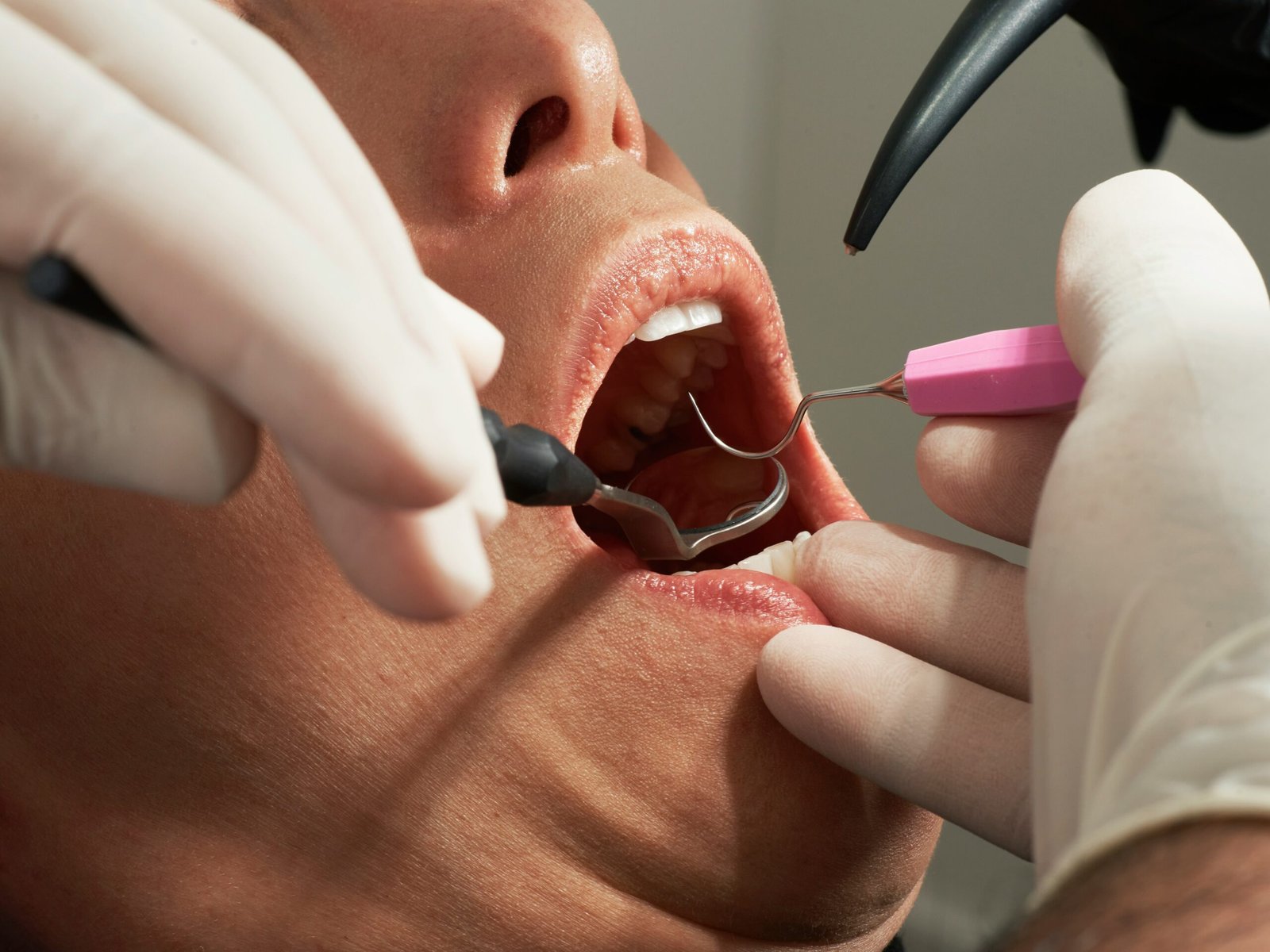
Early-stage gum disease is treated through oral hygiene maintenance and professional teeth cleaning. This is a procedure in which we will use a special instrument that ultrasonically removes the plaque and tartar deposits from your teeth. For advanced cases, we will perform a more invasive procedure called scaling and root planning, or deep cleaning. In this procedure, we will extensively remove the plaque and tartar deposits, even from the roots, followed by polishing to prevent future infection. We may also prescribe antibiotics or antibacterial mouth rinses to neutralize the harmful bacteria that cause gum disease. Furthermore, if there is extensive bone loss, it will be replenished with a bone graft procedure, and the missing teeth will be replaced with dental implants.

Gum disease is preventable but can cause severe damage to your oral and physical health if not treated timely. So, visit us today, and let us keep you healthy and smiling!

Frequently Asked Questions About Gum Disease

What are the early signs of gum disease?

Common signs include bleeding gums, redness, swelling, tenderness, and persistent bad breath. Gum disease can sometimes progress without obvious symptoms, so regular dental examinations are important.

Gingivitis can often be reversed with effective oral hygiene and professional cleaning. Periodontitis can usually be managed, but damage to the supporting tissues may not be fully reversible. Ongoing care is often needed.

Gum disease commonly develops when plaque accumulates around the teeth and along the gumline. Smoking, diabetes, certain medications, and other factors can also affect gum health.

Some sensitivity or discomfort may occur, particularly during deep cleaning. Your dentist can discuss appropriate comfort measures based on your needs.

Brush twice daily with fluoride toothpaste, clean between your teeth every day, avoid smoking, and attend regular dental check-ups and professional cleaning appointments as recommended.

Advanced periodontitis can damage the bone and tissues supporting your teeth, potentially leading to loose teeth and tooth loss. Early assessment and appropriate treatment can help reduce this risk.

The recommended frequency depends on your gum health and risk factors. Your dentist can advise how often you should attend check-ups and maintenance appointments.

If your gums bleed regularly, appear swollen, or remain sore, arrange a dental assessment. Seek prompt care if you experience significant swelling, pus, severe pain, or loose teeth.

Real Results. Real Confidence.

BeforeOrthodontics before
AfterOrthodontics after
BeforeVeneers before
AfterVeneers after
Want to see the rest of our results?

Check out our Smile Gallery