
VisionDental

Cracked Tooth Treatment in Menai

Did you hear a cracking sound while eating nuts? If yes, then you might have cracked one of your teeth. While our natural teeth are very strong, they can get cracked if we do not look after them properly.

But no need to worry; even cracked teeth can be restored if treated timely. So, why do teeth get cracked, and how are they fixed? Continue reading to find out.

What Is a Cracked Tooth?

A cracked tooth is a tooth with a fracture that may affect the outer enamel, the underlying dentine, or deeper structures. Some cracks are minor, while others can extend towards the pulp or below the gumline.

The appropriate treatment depends on the crack’s location, depth, symptoms, and the amount of healthy tooth structure remaining. Early assessment can help determine whether the tooth can be preserved.

Why do Teeth Get Cracked?

Teeth get cracked when used for anything other than speaking and chewing. Some of the common causes of teeth cracks are:

Parafunctional Habits

These habits include teeth grinding, jaw clenching, thumb sucking, and nail biting. All these habits put excessive pressure on the teeth, gradually making them weaker and prone to crack formation.

Using Teeth as Tools

Using teeth as pliers, scissors, or can openers is one of the most common causes of teeth cracks.

Biting Hard Objects

Accidentally biting hard objects such as olive seeds or a bone can also initiate crack propagation in the teeth.

Tooth Erosion

Erosion is a process in which the outer tooth enamel is chemically degraded due to the intake of acidic foods and beverages. Erosion makes the teeth weak, making them vulnerable to crack formation even with normal chewing.

How Is a Cracked Tooth Treated?

At Vision Dental, we ask our patients to get their teeth immediately restored if they get cracked. Cracked teeth, if not restored timely, can cause the following complications.

Dental Examination

Your dentist reviews your symptoms and examines the affected tooth. Bite tests, magnification, or dental X-rays may be used when appropriate, although some cracks are difficult to detect on X-rays.

Assessing the Crack

Your dentist evaluates the likely depth and location of the crack, the condition of the pulp, and whether the tooth can be restored.

Treating Pulp Damage

If the crack has affected the pulp and caused irreversible inflammation or infection, root canal treatment may be recommended before restoring the tooth.

Protecting the Tooth

Your dentist may recommend avoiding hard foods, reducing pressure on the affected tooth, and addressing teeth grinding or clenching where relevant.
Why Choose Vision Dental for Cracked Tooth Care?

At Vision Dental, we believe a confident smile starts with personalised dental care. We take the time to understand your concerns and help you explore appropriate options for a brighter smile.

Careful Assessment

An examination helps identify the likely extent of the crack and determine the next steps.

Personalised Treatment Planning

Treatment recommendations are based on the tooth's condition, symptoms, and restoration needs.

Focus on Preserving Natural Teeth

Where possible, treatment aims to retain the natural tooth and protect the remaining healthy structure.

Restoring Strength and Function

Suitable restorations may help support the tooth during everyday biting and chewing.

Clear Treatment Guidance

Understand the treatment options, potential limitations, expected recovery, and ongoing care requirements.

Preventive Advice

Receive guidance on protecting the tooth from further damage and managing factors such as grinding or clenching.

My Tooth Looks Cracked. Should I be Worried?

According to the Australian Dental Association, not all teeth cracks need fixing. For example, if one has very small cracks on the outer enamel surface that do not extend into the deeper layers, they may not need any treatment. On the other hand, if a tooth crack extends very deep and is causing pain, it should be checked immediately.

Cracked teeth can be fully restored if they are treated timely. So, if you or a loved one has a damaged tooth, visit us today and let us fix it to restore your smile and dental function.

How are Cracked Teeth Restored?

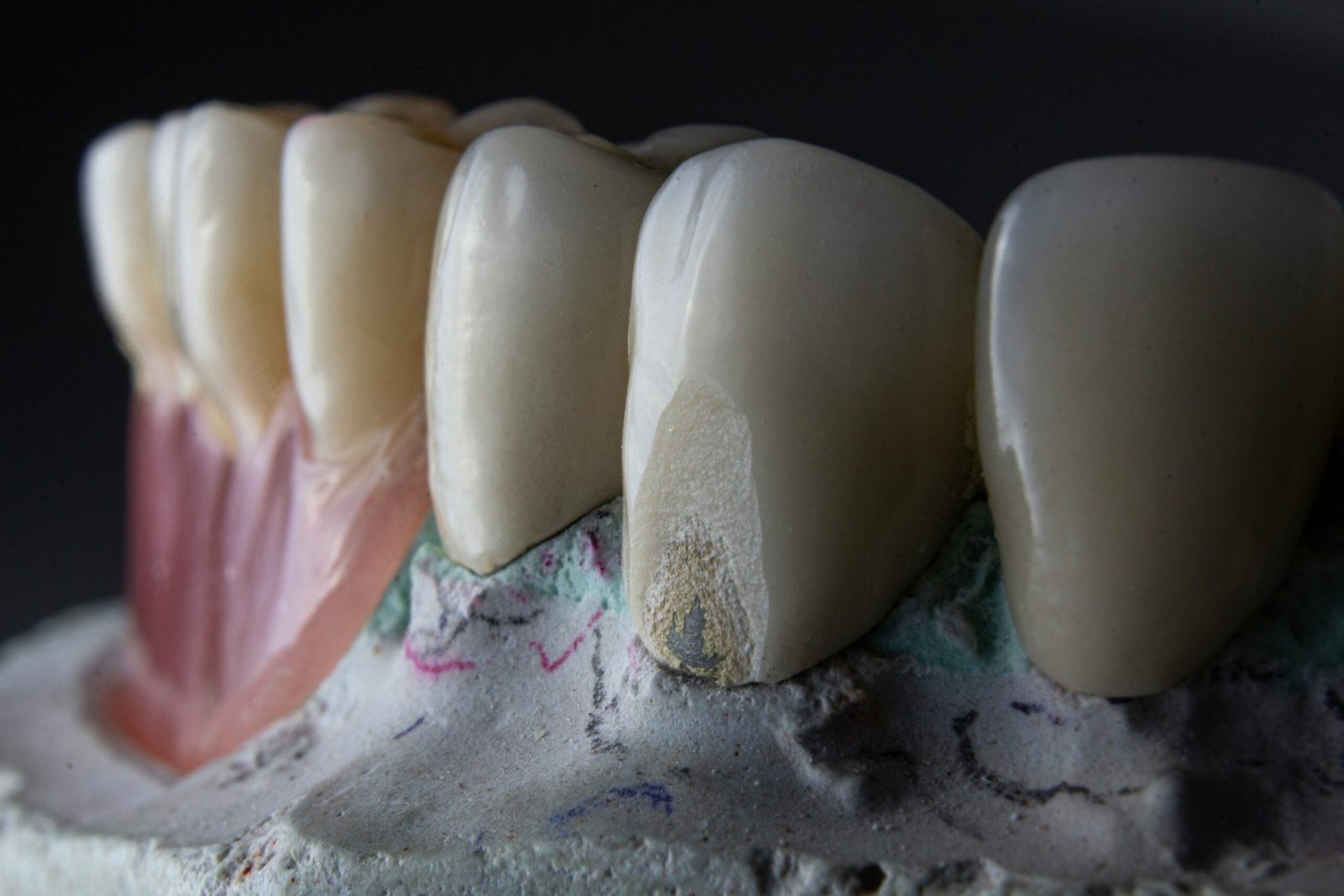
At Vision Dental, we first clinically examine the affected tooth and evaluate its x-ray images. This allows us to ascertain the extent of the crack. If the crack does not extend vertically into the root, we will try to save the tooth. However, if a crack involves the root, the tooth may need to be removed and replaced with an implant-supported prosthesis.

In most cases, we restore cracked teeth by filling the crack with a tooth-colored composite filling. However, to reinforce the tooth and prevent further cracks, we will place a porcelain crown over it. In cases where the underlying pulp has become inflamed, we will first perform root canal treatment and restore the tooth.

Cracked teeth should not be taken lightly. If you or a loved one observes a crack in one of their teeth, they should consult us immediately for treatment, especially if it is painful. You can book an appointment with us here.

Frequently Asked Questions About Cracked Teeth

What are the signs of a cracked tooth?

Symptoms may include pain when biting, sensitivity to hot or cold, intermittent discomfort, or a visible crack. Some cracked teeth cause few or no symptoms.

No. A crack does not naturally grow back together. Depending on its severity, dental treatment may help protect and restore the tooth.

A cracked tooth should be assessed promptly, especially if there is significant pain or sensitivity. Severe pain, swelling, or signs of infection require urgent dental attention.

Many cracked teeth can be treated, but the outcome depends on the location and depth of the crack. A fracture extending below the gumline or splitting the tooth may make it impossible to save.

A crown may be recommended when a crack weakens the tooth and additional protection is needed. Smaller cracks may require less extensive treatment, depending on the assessment.

Yes. If the crack allows bacteria to reach the pulp, inflammation or infection may develop. Prompt assessment can help determine whether further treatment is needed.

Avoid hard, crunchy, or chewy foods and try not to bite with the affected tooth until it has been assessed. Choose softer foods if chewing causes discomfort.

Avoid chewing ice or other very hard objects, maintain good oral hygiene, and discuss a protective night guard with your dentist if you grind or clench your teeth.

Real Results. Real Confidence.

BeforeResin Cosmetic Treatment before
AfterResin Cosmetic Treatment after
Want to see the rest of our results?

Check out our Smile Gallery