
A broken tooth is not just an aesthetic concern; it can cause many other complications. Fortunately, broken, chipped, or cracked teeth can be restored in most cases. At Vision Dental, we make every effort to preserve damaged teeth using minimally-invasive dentistry.
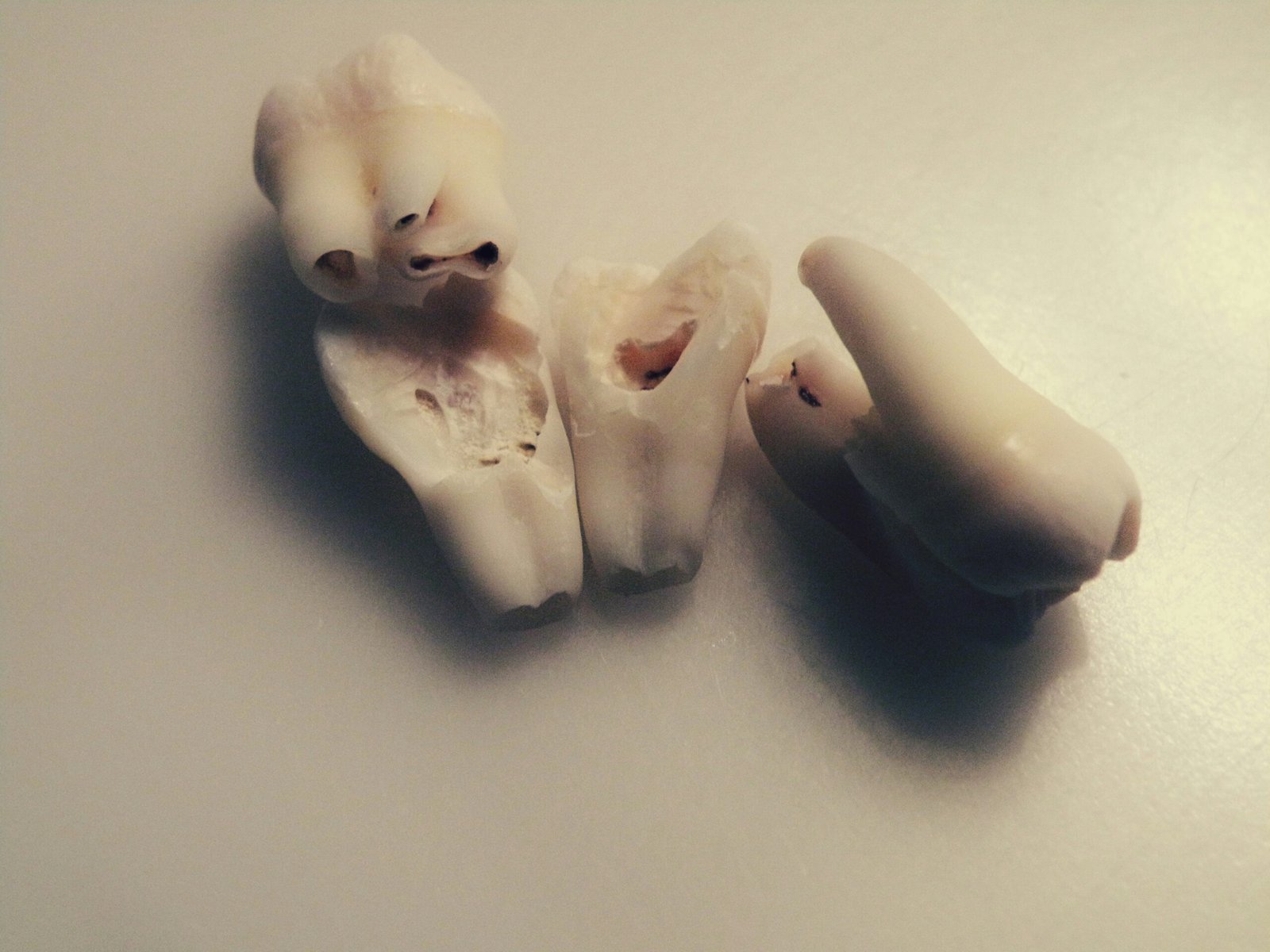
A broken tooth occurs when part of the tooth structure chips, cracks, or fractures. Damage may affect only the outer enamel or extend deeper into the tooth, sometimes reaching the inner pulp.
The right treatment depends on the location and severity of the damage. Early dental assessment can help determine whether the tooth can be repaired and what care is needed.
There are many reasons for teeth to get cracked. Some of these are:
An accidental injury to the teeth is one of the most common causes of broken or fractured teeth. That is why dentists recommend wearing protective gear, such as mouthguards, during contact sports.
Biting on hard objects like ice cubes can also lead to broken or fractured teeth. Similarly, using our teeth as tools or can openers can also damage them.
Teeth become brittle and prone to fracture and cracks with age. That is why teeth cracks and chippings are very common in the elderly.
Teeth can also crack or break under pressure if they have very large fillings and have not to be reinforced with dental crowns.
At Vision Dental, we ask our patients to get their teeth immediately restored if they get cracked. Cracked teeth, if not restored timely, can cause the following complications.

If the tooth is fractured or chipped in such a way that the underlying pulp is exposed, it can cause transient or permanent tooth sensitivity.

Broken teeth become weaker and are at a higher risk of developing tooth decay.

If the dental pulp is exposed and the tooth is not restored timely, it can lead to the pulp’s inflammation requiring root canal treatment.
At Vision Dental, we believe a confident smile starts with personalised dental care. We take the time to understand your concerns and help you explore appropriate options for a brighter smile.

A timely examination helps determine the severity of the fracture and the appropriate next steps.

Recommendations are based on the location of the damage, the condition of the tooth, and your individual needs.

Where possible, treatment aims to retain and restore the natural tooth.

Suitable restorations can help improve the appearance of a damaged tooth and support everyday chewing.

Understand the available options, treatment stages, expected recovery, and ongoing care requirements.

Receive guidance on protecting your teeth from further damage, including managing grinding and avoiding excessive pressure on weakened teeth.
There are two aspects of restoring broken teeth. The first is to replace the damaged tooth structure, and the second is to restore its aesthetics. We use tooth-colored composite fillings to restore the teeth for minor teeth defects. However, for moderate to large tooth defects, we first replace the lost tooth structure with composite filings and then reinforce it with porcelain crowns. Furthermore, if the dental pulp has become inflamed due to long-term exposure, we will perform a root canal treatment before restoring the tooth.
Broken teeth can be fully restored if they are treated timely. So, if you or a loved one has a damaged tooth, visit us today and let us fix it to restore your smile and dental function.
Rinse your mouth gently with warm water and save any broken fragments if possible. Avoid chewing on the damaged tooth and contact a dentist promptly, especially if you have pain, bleeding, or sensitivity.
Some fractures need urgent attention, particularly if there is severe pain, significant bleeding, swelling, or exposed inner tooth tissue. Contact a dentist for advice as soon as possible.
Many broken teeth can be repaired. Treatment may involve bonding, a filling, an onlay, or a crown. More extensive damage may require root canal treatment or, in some cases, extraction.
Treatment is planned to manage discomfort, and local anaesthesia may be used when needed. The level of discomfort depends on the severity of the injury and the treatment required.
No. A crack in the tooth does not naturally grow back together. Dental treatment may help stabilise or restore the tooth, depending on the depth and location of the crack.
Avoid chewing on the affected side, choose soft foods, and gently rinse your mouth with warm water. Do not place aspirin directly on your tooth or gums. Follow a pharmacist’s or clinician’s advice about suitable pain relief.
Not always. Minor chips may need only smoothing or bonding, while larger fractures may require a crown or another restoration. Your dentist will recommend treatment based on the remaining tooth structure.
For a permanent tooth, hold it by the crown, not the root. If dirty, gently rinse it with milk or saline without scrubbing. If possible, carefully place it back into the socket without forcing it. Otherwise, keep it in milk or an appropriate tooth-preservation solution and seek immediate dental care. Do not reinsert a baby tooth.
Check out our Smile Gallery