VisionDental

Worn Down Teeth Treatment in Menai

At Vision Dental, we strive to ensure the optimal oral health of our esteemed patients. That is why we recommend that our patients visit us regularly for checkups so that any underlying problems with their oral health can be diagnosed and treated promptly.

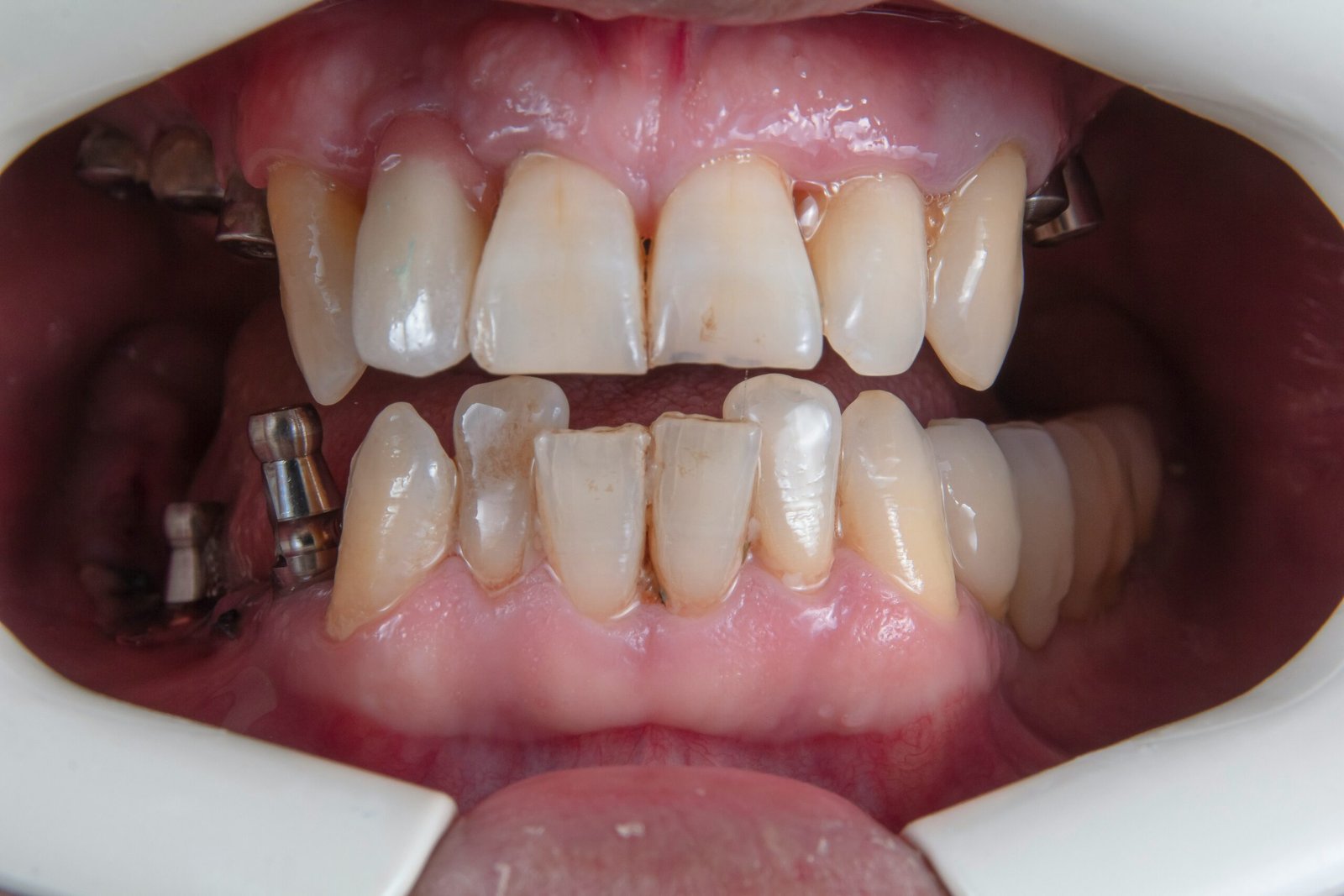
One of the most common problems we observe in our patients during routine checkups is worn-down teeth. This condition, also called tooth wear, occurs when there is a progressive loss of the tooth structure from the biting surfaces.

What are the Causes of Tooth Wear?

Tooth wear can occur due to various reasons. One common type of tooth wear is dental erosion. This is a condition in which the tooth surface is lost due to the intake of acidic beverages or foods that destroy the outer dental enamel. Other causes of tooth wear are mechanical. These are:

What are the Consequences of Untreated Tooth Wear?

Tooth wear may seem like a straightforward issue that does not affect oral health. However, the fact is that untreated tooth wear can significantly affect one’s dental and physical health. Some of the consequences of tooth wear are:

Sensitivity

wear of the teeth, whether due to chemical erosion or mechanical abrasion, leads to the destruction of the outer enamel layer. This makes the teeth sensitive to hot and cold foods or drinks.

Dental Cavities

continued tooth wear weakens the teeth and makes them prone to tooth decay.

Temporomandibular Joint Disorders

if the underlying cause of tooth wear is teeth grinding or imbalance tooth bite, it will put excessive pressure on the jaw joints leading to a group of disorders called temporomandibular joint disorders. Common symptoms of TMJ disorders include difficult or painful mouth opening, cracking or popping sounds, or even jaw dislocation.

Chewing Difficulty

tooth wear gradually makes the biting surfaces of the teeth flat. As a result, it becomes difficult to chew and digest food optimally, leading to malnutrition.

Why Choose Vision Dental for Worn Down Teeth?

Personalised Assessment

Treatment recommendations are based on the condition of your teeth, your bite, and the likely causes of tooth wear.

Focus on Tooth Preservation

Where possible, treatment aims to preserve healthy tooth structure while addressing the effects of wear.

Restoring Shape and Function

Suitable restorations can help improve the shape of worn teeth and support comfortable chewing.

Understanding the Underlying Cause

Identifying contributing factors helps guide treatment and reduce the risk of ongoing wear.

Preventive Advice

Receive practical guidance on oral hygiene, dietary habits, and protecting your teeth from further damage.

Ongoing Monitoring

Regular check-ups and good oral hygiene help maintain your fillings and support your overall dental health.

How is Tooth Wear Managed?

The first step in managing tooth wear is identifying the underlying cause. We will prepare custom-made nightguards for you, which will create a barrier between the teeth and prevent damage to them. Furthermore, if the teeth have become flat, we will restore their shape and aesthetics with composite bonding or porcelain crowns. Finally, if the cause of tooth wear is tooth misalignment, we will perform orthodontic treatment with braces or clear aligners to restore optimal tooth alignment.

Tooth wear is a serious issue affecting one’s quality of life. However, the good news is that tooth wear is treatable if early treatment is sought. So, if you feel that you or a loved one is suffering from tooth wear, visit us without delay and let us preserve your teeth and smile.

Frequently Asked Questions About Worn Down Teeth

What causes teeth to wear down?

Common causes include teeth grinding or clenching, acid erosion, aggressive brushing, and natural wear over time. Several factors can contribute at once.

No. Lost enamel and tooth structure do not naturally grow back. However, appropriate dental treatment can restore damaged areas and help protect the remaining tooth structure.

Yes, depending on the severity of the damage. Options may include composite bonding, fillings, onlays, or crowns. Your dentist can recommend the most appropriate option after an examination.

Grinding and clenching are common causes, but tooth wear can also result from acids, brushing habits, and other factors. Your dentist can help identify the likely cause.

Yes. When enamel becomes thinner, the underlying dentine may become exposed, increasing sensitivity to hot, cold, sweet, or acidic foods and drinks.

Use a soft-bristled toothbrush and fluoride toothpaste, avoid brushing too aggressively, limit frequent acidic drinks, and follow your dentist’s advice if you grind your teeth.

Not always. Some teeth can be restored with less extensive treatments, such as composite bonding or fillings. Crowns may be considered when damage is more extensive and additional protection is needed.

Arrange an appointment if your teeth look shorter or flatter, become increasingly sensitive, chip easily, or your bite changes. Sudden damage or significant pain should be assessed promptly.

Real Results. Real Confidence.

BeforeOrthodontics before
AfterOrthodontics after
BeforeVeneers before
AfterVeneers after
Want to see the rest of our results?

Check out our Smile Gallery