VisionDental

What Your Toothbrushing Technique Might Be Getting Wrong

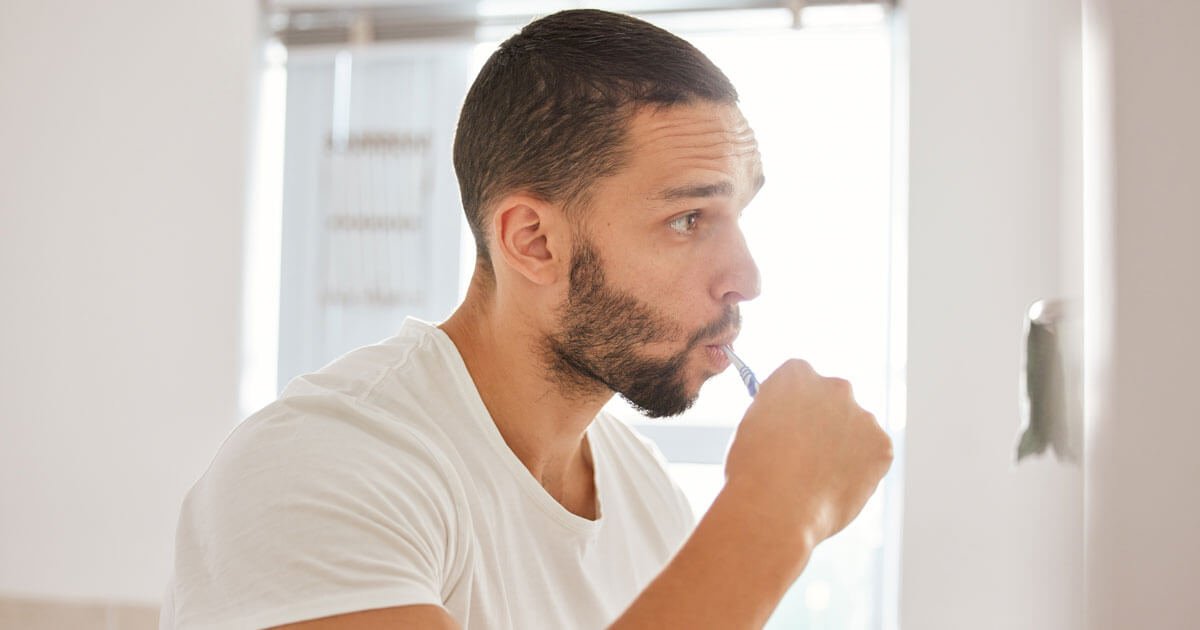
Almost everyone brushes their teeth at least twice a day, and almost everyone assumes they are doing it correctly. But brushing thoroughly is not just about how often you do it or even how long you spend.

Small habits in your technique, the ones nobody ever really teaches you as an adult, can quietly leave plaque behind even when your teeth feel clean.

Pressing Too Hard Is Not Helping

It feels logical that brushing harder should clean better, but the opposite is often true. Excess pressure can wear down enamel over time and irritate your gums, causing them to recede, without actually removing more plaque.

Plaque is a soft film that comes off with gentle, consistent brushing. A light touch with a soft-bristled brush is almost always more effective than pressing hard.

Rushing the Gumline

Most people focus their brushing on the flat, visible surfaces of their teeth and move quickly over the gumline, where teeth meet gums. That area is exactly where plaque tends to build up fastest, since it is easy to miss and hard to see. Angling your brush slightly toward the gumline and spending a few extra seconds there can catch what a quick, straight-on brush stroke leaves behind.

Skipping the Back Teeth

Back molars do the heaviest chewing work, but they often get the least attention, partly because they are harder to reach and partly because brushing near the back of your mouth can trigger a gag reflex.

Going slowly and using small, gentle strokes on the chewing surfaces and inner sides of your back teeth makes a real difference, even if it takes a bit more patience than the front of your mouth.

Brushing Right After Eating

Brushing immediately after a meal, especially after citrus fruits and other acidic foods or drinks, can actually do more harm than good. Acid temporarily softens enamel, and brushing right on top of that softened surface can wear it away faster.

Waiting around thirty minutes after eating gives your saliva time to neutralise the acid and lets your enamel recover before you brush.

A Quick Check Can Confirm the Basics

Technique is easy to get slightly wrong for years without ever knowing it, since nobody is watching you brush at home. If it has been a while since anyone walked you through your technique, or if you are dealing with sensitivity or bleeding gums that don’t seem to improve, Vision Dental can take a look and show you how to make your brushing routine more effective.
Your Questions About the Child Dental Benefits Schedule, Answered

Most parents have heard the term CDBS mentioned somewhere between school notices and Medicare paperwork, but knowing exactly what it covers or whether your child qualifies can be another story. It’s a program that can help eligible families manage the cost of basic dental care, so it’s worth understanding how it works.

What Is CDBS?

The Child Dental Benefits Schedule is an Australian Government program that helps eligible children access basic dental care. It provides up to [medicare cbds] in benefits per child over two consecutive calendar years, covering services such as checkups, cleans, X-rays, fissure sealants, fillings, root canal treatment and extractions.

Any unused balance may be available in the second year if your child remains eligible. At Vision Dental, we accept CDBS and aim to make using your child’s available benefits as straightforward as possible.

Is My Child Eligible?

Your child may qualify if they’re aged 0 to 17 for at least one day during the calendar year, are eligible for Medicare, and they, or a parent, carer or guardian, receive an eligible Australian Government payment during that year. Family Tax Benefit Part A is one example.

You can check your child’s eligibility and available balance through your linked Medicare account in myGov. Our team can also confirm the available benefit before treatment begins.

“We want a dental visit to be one less thing families have to worry about, both in how it feels for the child and understanding what it may cost. Making CDBS easy to use is part of that.” — Dr Stephen Suster (Dentist)

What’s Covered, and What Isn’t?

CDBS can help with dental checkups, cleaning, X-rays, fissure sealants, fillings, root canal treatment and extractions, although some services have Medicare item and timing restrictions.

It doesn’t cover orthodontic treatment, cosmetic dental treatment or dental services provided in hospital. A dental checkup also gives the dentist an opportunity to monitor how your child’s teeth and bite are developing and identify any concerns that may need attention.

What Should I Expect at My Child’s Appointment?

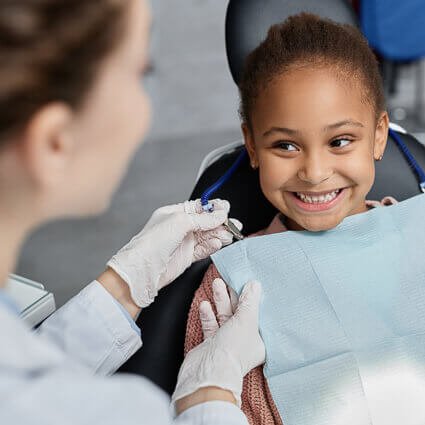
We want dental visits to feel relaxed and age-appropriate. Dr Suster takes time to help children feel comfortable, explains what is happening in a reassuring way and encourages healthy habits they can continue at home.

What happens during the visit will depend on your child’s individual needs, and we’ll explain any recommended treatment before proceeding.

How Often Should Children Have a Dental Checkup?

Kids may benefit from a dental checkup around every six months, although the timing can vary depending on their individual needs. Regular visits give the dentist an opportunity to monitor developing teeth and jaws, reinforce brushing habits and discuss preventive care that may be considered when appropriate.

How Does Bulk Billing Work?

Vision Dental bulk bills eligible CDBS-covered services, so there’s no out-of-pocket cost for those services where your child has enough available CDBS benefits.

Before treatment, we’ll explain what’s recommended, check whether it’s covered and obtain your consent. If a service isn’t covered or the remaining benefit doesn’t meet the full cost, we’ll discuss this with you first.

What Should I Bring to the Appointment?

Bring your child’s Medicare card details and mention that you’d like to use CDBS when booking. You don’t need to bring an eligibility letter. We’ll check the available benefit and explain any proposed treatment before proceeding.

Can CDBS Be Used With Private Health Insurance?

You cannot claim CDBS and private health insurance for the same dental service. If your child is eligible for CDBS, we can explain which option may be more suitable before treatment begins.